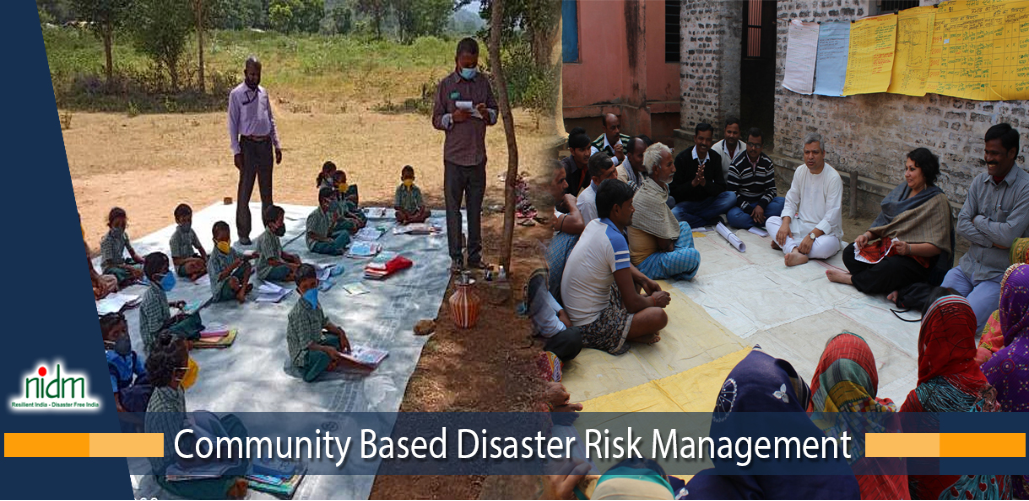
The theory and practice of disaster management today increasingly acknowledges the role of human factors in natural disasters. There is also a discernible shift in the nature of disaster preparedness and mitigation activities. While governments, supported by other actors-international agencies, academia, and non-governmental organizations-play a key role in organizing and funding disaster management programs, the design and implementation of these initiatives include communities as prime actors. This approach has evolved in the last two decades. It is based on the recognition that the socio-economic vulnerability of communities, rather than physical hazard, explains the impact of disasters and that interventions must therefore aim at reducing vulnerability at the community level.
Successive disasters in different parts of the world have demonstrated time and again that the impact of a disaster in terms of life, assets, and potential for recovery is borne disproportionately by developing countries, and within them by the poorest segments of the society. A community-based approach aims to reduce the socially constructed vulnerability of poor by involving communities as active participants in a disaster program. There is also a broadening consensus that it is cost-effective to train and educate communities about risks they face, provide them access to resources and knowledge, and to develop community-based preparedness and mitigation programs. This approach has emerged as a complement to structural mitigation (dams, dykes, levees, etc.) and even certain types of non-structural mitigation programs (land use, building codes, development regulations, etc.).
- Manager: Nazia Khan
- Teacher: Rohit Kumar
During the last decade more than one billion people were affected by natural disasters and assets worth of US$730 billion were lost. The 2004 UNDP report “Reducing Disaster Risk: A Challenge for Development” notes that the losses from natural hazards are increasing, and have a disproportionate impact on less developed countries.
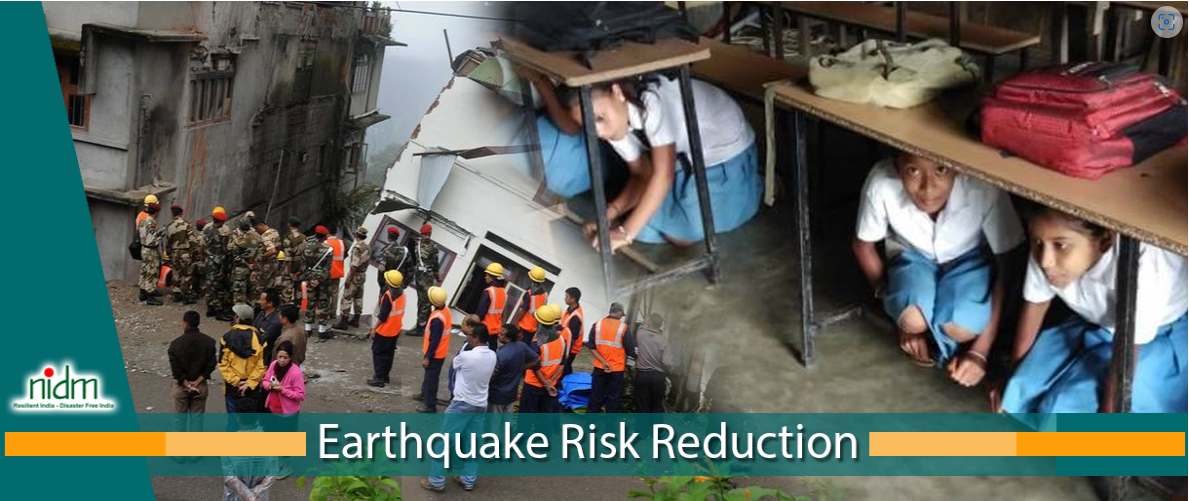
Earthquakes are one of the most disastrous of natural hazards, coming without warning and affecting nations and peoples around the entire Pacific Rim, and from North Africa through the Balkans and Middle East, India and Indonesia, to Papua New Guinea and New Zealand. Countries as diverse as the Philippines, Mexico, India, Peru and Turkey, to name just a few, have suffered multiple earthquake disasters in recent decades. Earthquake with fatalities in the tens of thousands have the potential to occur in Manila, Istanbul, Teheran, Tokyo and other major cities in these regions.
The World Bank has been actively involved in post- disaster recovery and reconstruction projects in these regions and loaned US$40 billion for reconstruction and mitigation between 1980 and 2003. In addition to lending directly for recovery and reconstruction, the Bank has been reassigning significant loan amounts committed to regular development projects (as affected countries often do) for the timely funding of urgent reconstruction needs.
- Manager: Nazia Khan
- Teacher: Dr. Pankaj Kumar
This course on Safe Cities is designed to provide a comprehensive understanding of disaster risk reduction (DRR) and how to build urban resilience in the face of growing disaster risks. Participants will explore the intricate relationship between urban development and disaster risks, with a focus on how poorly planned urbanization and inadequate infrastructure make cities particularly vulnerable. The course covers the evolving shift from disaster response to proactive risk management and emphasizes the importance of incorporating DRR into urban planning. It also highlights the role of local governance and decentralization in disaster management, with particular attention to how urban local bodies (ULBs) in India are empowered to address these challenges through constitutional amendments and the creation of Urban Disaster Management Authorities (UDMAs).
A key aspect of the course is its emphasis on multi-dimensional disaster management approaches, including risk assessment, risk mapping, and integrating disaster risk reduction into daily governance. Participants will learn about innovative technologies and solutions that enhance urban resilience, such as the use of Information and Communication Technology (ICT), Artificial Intelligence (AI), and Big Data Analytics. These tools can improve real-time disaster response, risk analysis, and long-term recovery planning, ultimately helping cities become more adaptive to both natural and man-made hazards. By leveraging these technologies, urban planners and disaster managers can build smarter, more sustainable cities that are better prepared for the challenges posed by disasters.
Throughout the course, participants will also gain practical insights into DRR strategies through case studies and assignments. These case studies will illustrate how various cities have successfully implemented disaster risk reduction measures, integrating community participation and institutional commitment into their frameworks. The course will cover key topics such as stakeholder engagement, community empowerment, disaster response and recovery planning, and the implementation of mitigation measures. By the end of the course, participants will have a holistic understanding of how to develop and manage disaster-resilient cities, equipped with the knowledge to implement these strategies in their own urban contexts
- Manager: Nazia Khan
- Teacher: Amarjeet Kumar
Weather-related disasters put a high toll on national economies and local livelihoods. Climate change is exacerbating the impacts associated with droughts, floods and other extreme weather events. According to the Stern Report “climate change will affect the basic elements of life for people around the world – access to water, food production, health, and the environment”. It advocates for immediate actions otherwise by the end of this century 5-20% of global GDP could be lost annually. While global action is required to avoid these long-term consequences, climate change is already affecting the risk of disasters today, and needs to be factored into economic development, poverty reduction and disaster management strategies.
This course on Climate Change and Disaster Risk aims at supporting the global agenda of managing the risks associated to climate change through increased knowledge and awareness of development practitioners and policy makers at national and local level. The course gives a brief introduction to the science of climate change, reviews the climate change impacts on natural hazards, the trends in magnitude and frequency of climatic extremes and changes in average climatic conditions. It explores the inter-linkages between disaster risk management and climate change adaptation and outlines strategies, methods and tools for integrated climate risk management.

- Manager: Nazia Khan
- Teacher: Manjeet Singh
Disasters have a major impact on the living conditions, economic performance, and environmental assets of affected countries. Consequences may be long-term and may cause irreversible damages to environmental, economic and social structures.
Statistics show that disasters cause the most significant and irreversible damage in developing countries, where the poorest and most vulnerable population groups are disproportionately impacted. By contrast, in the developed world, a considerable degree of protection against disasters has been achieved, as a result of effective prevention, mitigation and planning measures that reduce vulnerability. But even with these impressive results, damages in these countries have risen due to greater concentration and value of societal activities.
To reduce the long-term impact of disasters, and to achieve sustainable growth, affected countries must (i) assign financial resources for prevention and mitigation of the foreseeable impact of disasters, and (ii) ensure that once disasters occur, reconstruction investments incorporate vulnerability-reduction measures. This latter point should be underscored in light of reconstruction efforts undertaken by many countries. In most cases, we observe that vulnerability is reconstructed along with destroyed assets, mainly because of scarce resources available beyond the emergency and humanitarian assistance stage.
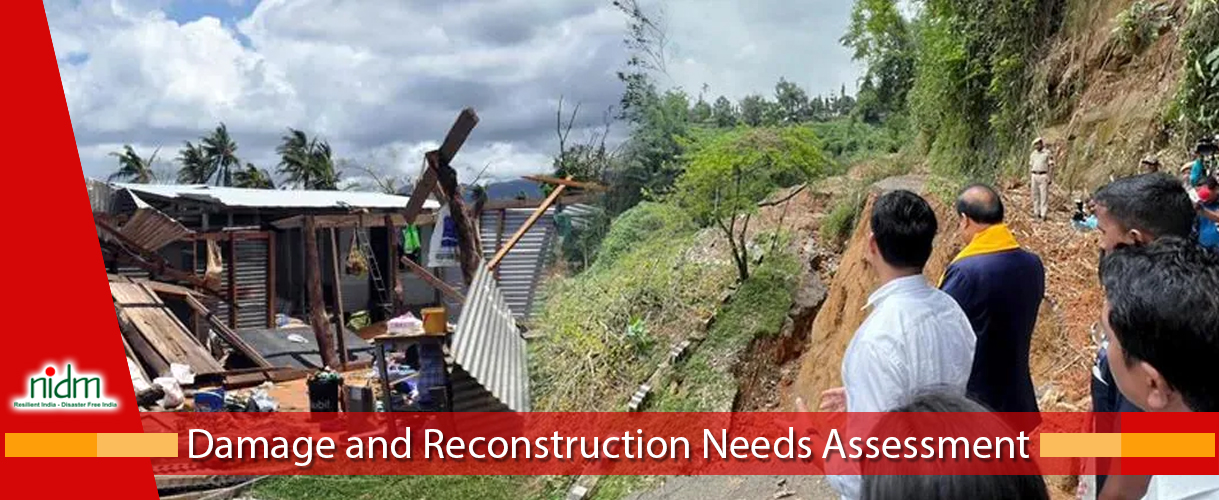
This course offers a set of diagnostic tools 1to measure the type and extent of damage and losses caused by a specific disaster. It can be used immediately after the emergency stage to assess the direct and indirect effects of a catastrophic event, and its implications for the social well-being and economic performance of the affected area. This comprehensive methodology covers the broad range of effects and their cross implications for the economic and social sectors, physical infrastructure, and environmental assets. Based on its estimates, it is possible to determine the reconstruction requirements and identify appropriate reconstruction programs and projects.
- Teacher: Dr. Arkaprabha Sarkar
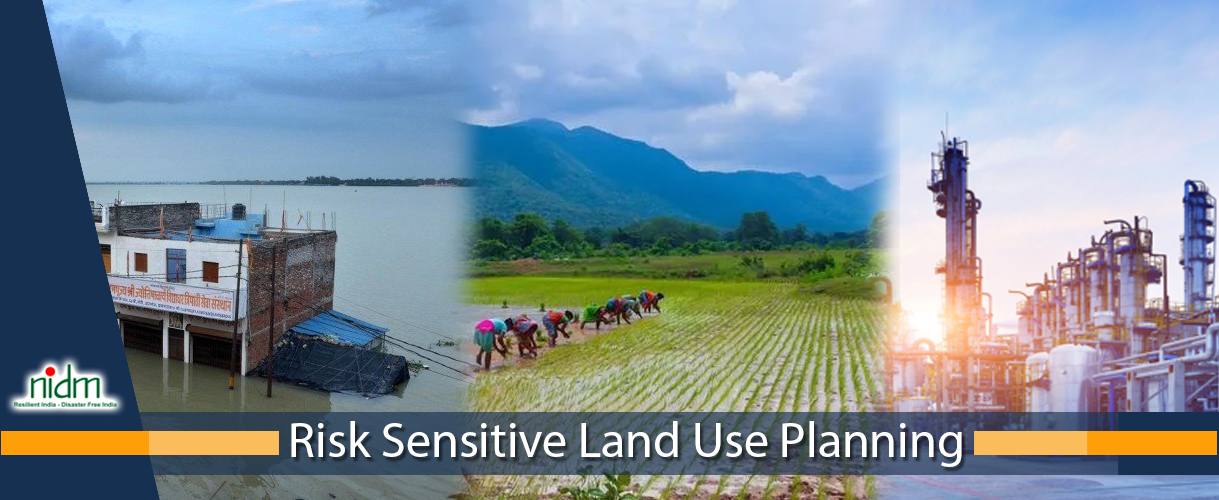
The new paradigm in disaster management focuses on reducing people’s vulnerability to natural hazard risk. Urban vulnerability and risk, determined by the location of residential areas, industries, public facilities and the urban morphology, proactively can be managed with adequate land use planning. Through land use planning disaster risk factors can be modified to decrease vulnerability, increase resilience and mitigate potential damages and losses. Land use planning with its' wide array of regulatory and non-regulatory methods as well as structural and non-structural approaches is an effective tool in disaster risk management.
The Risk Sensitive Land-use Planning course was developed by the World Bank Institute in collaboration with the Earthquakes and Megacities Initiative. It aims to demonstrate the benefits of incorporating disaster risk reduction objectives in land use planning, presents the process involved in integrating disaster mitigation with local land use management, and illustrates the advantages of this integrated approach using specific examples.
- Teacher: Manjeet Singh
There is a close link between development and disaster risk. According to a recent report, “Reducing Disaster Risk: Challenge for Development,” disaster risk accumulates historically through inappropriate development interventions. Countries with similar patterns of natural hazards have widely varying levels of disaster risks. Natural disasters also tend to have a disproportionate impact on less developed countries causing much greater losses in terms of fatalities and GDP than in developed countries.
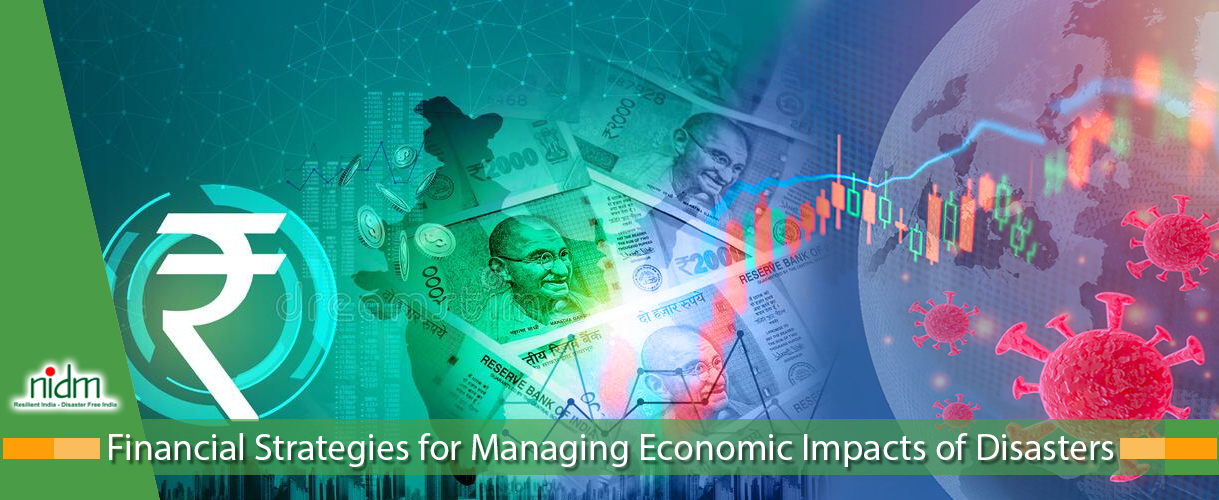
If disaster impacts are not anticipated and planned for, the diversion of scarce resources to relief and reconstruction efforts can have high opportunity costs in terms of economic development and welfare. Pro-active risk management entails the incorporation of loss mitigation and financing measures into development planning. Besides the macroeconomic effects on economic growth and development, disasters often place intractable burdens on poor households and small businesses. Who pays for catastrophic losses? Who owns the risk? These questions should be addressed by policymakers.
The objective of this specialization course is to provide policymakers with tools for financial risk management for assets belonging to households, businesses and the public sector. On the macroeconomic level, it provides a methodology for assessing the risks to public infrastructure and the effects of natural disasters on economic growth. An important question posed in this course is: under what conditions is it advisable for the public authorities to insure roads, bridges and other infrastructure, and when should they rely on traditional post-disaster financing? In answering this question, the course compares alternative financing options for public-sector risks and examines their costs and benefits. Another core question is the extent to which public authorities do and should take financial responsibility for risks to households and businesses. In addressing this question, this course examines strategies for public-private national insurance programs.
- Teacher: Rohit Kumar
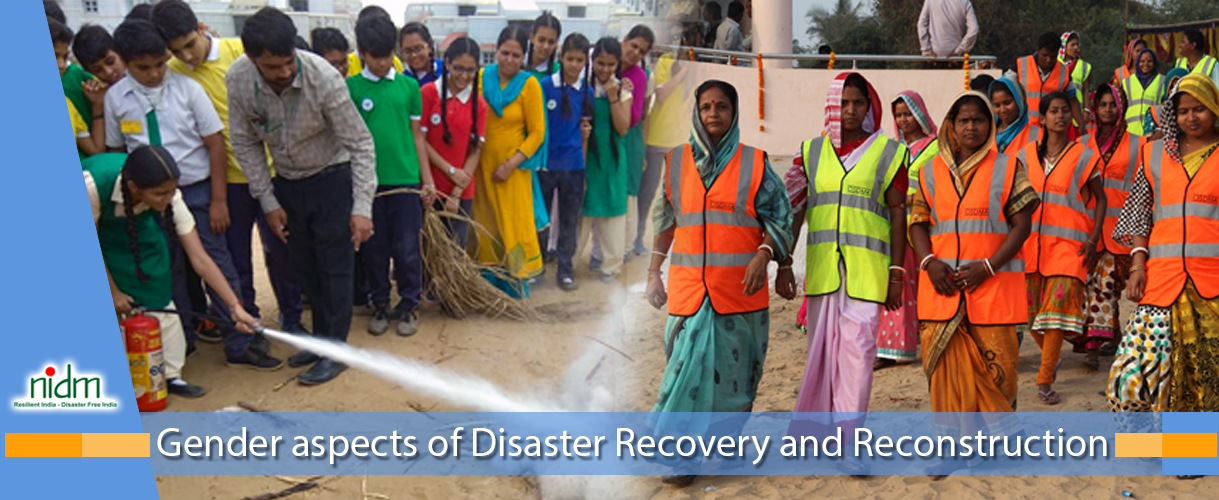
During the last decade, more than one billion people have been affected by natural disasters. While natural hazards do not discriminate on the basis of gender, or any other social characteristics, resilience to disasters is affected in important ways and on a large scale by gender. Gender shapes disaster experience and the ability to recover. It explains why certain groups of people are at greater risk and why some others can recover at a slower pace. Since gender plays an important role in assigning roles and responsibilities within groups and in determining the access to and control of resources among groups, gender sensitivity and gender concerns become a valid and important policy domain during disasters and throughout the rehabilitation, recovery and reconstruction process.
Gender mainstreaming is a key strategy to reduce inequalities among gender groups. Mainstreaming gender into disaster management strengthens the resilience of entire communities, cuts recovery time, and leads to more efficient recovery and reconstruction. It can be achieved by taking into account the needs, concerns and capacities of gender groups in planning and implementing disaster reduction and risk management activities.
This course is designed to facilitate the mainstreaming process by improving the understanding of gender concerns in disaster management. It also aims to contribute to improving knowledge of relevant policies, regulations and tools for implementing gender sensitive disaster management practices with a specific focus on disaster recovery and reconstruction.
The course targets policy makers, community leaders and disaster management professionals for sensitization in the gender aspects of disasters and post disaster processes. It also targets government officials and staff in development agencies, aid and relief organizations.
- Teacher: Prerna Joshi
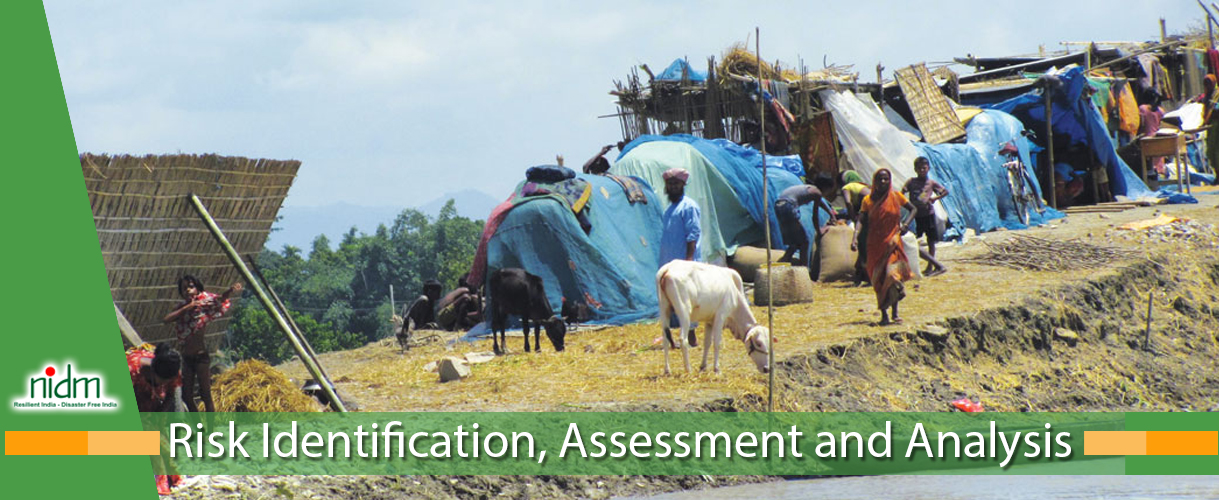
During the last decade risk analysis has emerged as an effective and comprehensive procedure to guide the overall societal response to, and management of disasters. Risk analysis is carried out to reduce (a) casualties from potential disasters, (b) disruption to the economic and social activities, and to mainstream (c) the culture of safety in all activities undertaken by city and national governments. It became part of decision making in sectors such as health care, environment, physical infrastructure systems, to cite a few.
The Risk Analysis course introduces the concepts, methods and tools to assess hazard, vulnerability, risk and the impact associated with earthquakes and floods. It demonstrates how risk analysis is applied to formulate disaster risk reduction policies. It introduces tools and models used to assess disaster impact, both direct and indirect, and methods to quantify it for earthquakes and floods. As a result, participants of this course will be able to judge and appreciate the information presented in risk maps.
There is a general perception that natural disasters are "technical" problems and need to be dealt by technical experts. The aim of this course is to provide an overview of essential elements and basic tools of risk analysis in a language that is accessible to a “non-technical” community as well.
The course is designed for professionals from national and local agencies dealing with disaster risk management, for public officials and local authorities in charge of development planning and policy reform in the realm of disaster risk reduction, and for practitioners working in risk reduction, emergency and recovery planning. A scientific or engineering background can be helpful to better understand the methodological aspects of earthquake and flood risk analysis, however, it is not necessary. Basic mathematical skills and familiarity with spreadsheet are prerequisites of the course.
- Manager: Nazia Khan
- Teacher: Dr. Gagandeep Singh